Parse a mixed list of browsers, devices and bots
Desktop, phone, tablet, TV, console and in-app browsers plus search bots, AI crawlers and HTTP clients, with repeats merged.
Updated November 13, 2026
What this example returns
The dataset’s “Parsed User-Agents” view shows 23 columns: User-Agent, Count, Bot, Bot name, Bot category, Bot producer, Bot info, AI bot, Browser / app, Version, Major, Client type, Engine, Engine version, OS, OS version, OS family, Device type, Brand, Model, Mobile, CPU, and Recognized. See every output field.
What each setting does
The input this example runs User-Agent Parser with. “Try this input” opens it in the console, where you can run it as-is or change any field first.
- User-Agent strings
userAgents Mozilla/5.0 (Windows NT 10.0; Win64; x64) AppleWebKit/537.36 (KHTML, like Gecko) Chrome/131.0.0.0 Safari/537.36, Mozilla/5.0 (Windows NT 10.0; Win64; x64) AppleWebKit/537.36 (KHTML, like Gecko) Chrome/131.0.0.0 Safari/537.36 Edg/131.0.2903.86, Mozilla/5.0 (Macintosh; Intel Mac OS X 10_15_7) AppleWe…
One User-Agent string per entry: from browser headers, analytics exports, log files or your own app. Each string becomes one row with browser, OS, device, engine, CPU and a bot verdict. `userAgent` (a single string) is accepted too.
- Merge repeated strings
deduplicate Yes
On: one row per distinct User-Agent, with how often it appeared in `count` (you pay once per distinct string). Off: one row per entry, in input order.
- Bots
botFilter Keep all rows
Keep only bot rows (e.g. to spot AI crawlers in your logs) or only real browsers and apps. Rows left out are not charged.
{
  "userAgents": [
    "Mozilla/5.0 (Windows NT 10.0; Win64; x64) AppleWebKit/537.36 (KHTML, like Gecko) Chrome/131.0.0.0 Safari/537.36",
    "Mozilla/5.0 (Windows NT 10.0; Win64; x64) AppleWebKit/537.36 (KHTML, like Gecko) Chrome/131.0.0.0 Safari/537.36 Edg/131.0.2903.86",
    "Mozilla/5.0 (Macintosh; Intel Mac OS X 10_15_7) AppleWebKit/605.1.15 (KHTML, like Gecko) Version/17.4 Safari/605.1.15",
    "Mozilla/5.0 (X11; Linux x86_64; rv:133.0) Gecko/20100101 Firefox/133.0",
    "Mozilla/5.0 (iPhone; CPU iPhone OS 17_5 like Mac OS X) AppleWebKit/605.1.15 (KHTML, like Gecko) Version/17.5 Mobile/15E148 Safari/604.1",
    "Mozilla/5.0 (iPad; CPU OS 16_6 like Mac OS X) AppleWebKit/605.1.15 (KHTML, like Gecko) Version/16.6 Mobile/15E148 Safari/604.1",
    "Mozilla/5.0 (Linux; Android 14; SM-S918B) AppleWebKit/537.36 (KHTML, like Gecko) Chrome/124.0.0.0 Mobile Safari/537.36",
    "Mozilla/5.0 (Linux; Android 11; SM-T870) AppleWebKit/537.36 (KHTML, like Gecko) Chrome/124.0.0.0 Safari/537.36",
    "Mozilla/5.0 (Linux; Android 10; K) AppleWebKit/537.36 (KHTML, like Gecko) Chrome/124.0.0.0 Mobile Safari/537.36 Instagram 330.0.0.40.92 Android",
    "Mozilla/5.0 (SMART-TV; Linux; Tizen 6.0) AppleWebKit/537.36 (KHTML, like Gecko) 76.0.3809.146/6.0 TV Safari/537.36",
    "Mozilla/5.0 (PlayStation; PlayStation 5/2.26) AppleWebKit/605.1.15 (KHTML, like Gecko)",
    "Mozilla/5.0 (compatible; Googlebot/2.1; +http://www.google.com/bot.html)",
    "Mozilla/5.0 (compatible; GPTBot/1.2; +https://openai.com/gptbot)",
    "curl/8.4.0",
    "  Mozilla/5.0 (Windows NT 10.0; Win64; x64) AppleWebKit/537.36 (KHTML, like Gecko) Chrome/131.0.0.0 Safari/537.36  ",
    "-",
    "ab"
  ],
  "deduplicate": true,
  "botFilter": "all"
}
What it costs
You pay for the events the actor reports, such as each result or page it produces. Platform usage is included in the event prices: compute, proxies, browser and storage cost nothing extra.
- User-Agent parsedfrom $0.00027One saved row: a User-Agent string parsed into browser, engine, OS, device, CPU and bot columns. Entries that are not User-Agents, log lines without one and rows left out by the bot filter are free.
When to use this example
From the User-Agent Parser readme:
Why is a field empty?
User-Agents only carry what the client puts in them. Desktop strings name no device model; iPhones do not name the CPU; Chrome freezes parts of its version and platform (the finer details live in separate Client Hints headers, which are not part of the string); crawlers have no browser or device. Empty means the string does not say, not that parsing failed. recognized: false marks strings nothing matched at all; they are still parsed and charged.
Known limit
count with merging on is over the whole input of the run.
Other ways to run User-Agent Parser
- Find bots and AI crawlers in an access logPaste access-log lines; only bot rows are kept, each with bot name, category, producer and an AI-crawler flag.
- One row per entry, browsers onlyKeep input order with one row per entry, drop bots and HTTP clients, and stop at a row limit.
About User-Agent Parser
Parse User-Agent strings in bulk into browser, version, OS, device type, brand and model, rendering engine and CPU, plus a bot verdict with the bot's name and category (search engines, AI crawlers, monitors, HTTP clients, headless browsers). Paste strings, raw access-log lines or a dataset. No login or API key needed.
- Price:
- from $0.27 / 1,000 results
- Developer:
- Querystone
- Categories:
- Developer tools, Automation
Related actors
 RAG Web Browserby Querystone
Web browser for AI agents and RAG pipelines: search Google, fetch the top result pages, and return clean Markdown or text ready for LLMs.…
 Google Search Scraperby Querystone
Scrape Google Search results by query and country in fast search mode: organic results, People Also Ask, and related searches with…
 Website Content Crawlerby Querystone
Crawl whole websites and extract clean text and Markdown for AI models, vector databases, and RAG pipelines. Removes navigation and…
Latest articles
 Guides
Web Scraper Chrome Extensions: 4 Good Ones, and When to Use a Cloud Scraper
The best web scraper Chrome extensions in 2026 (Web Scraper, Instant Data Scraper, Data Miner and Evomi Web Data), what each is good at, where every extension stops, and how a cloud scraper takes over for schedules, thousands of pages and API access.
Read the article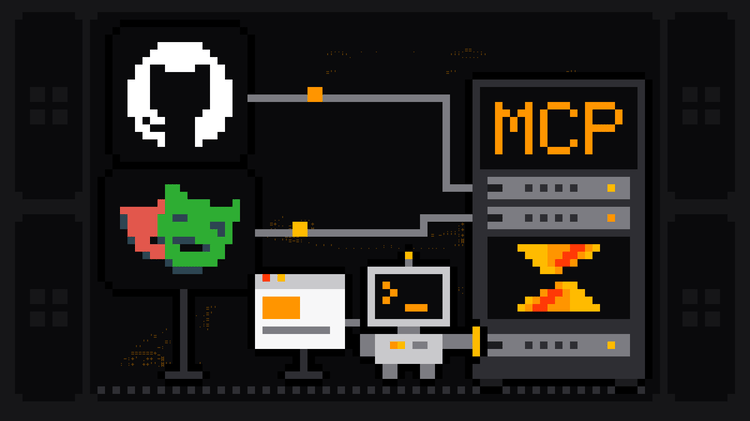 AI agents
12 Best MCP Servers in 2026: Web Data, Code, Docs and Browsers
The best MCP servers in 2026, grouped by job: web data, documentation, code, browsers, errors, databases and the official reference servers. Each with its hosted URL or install command, how it signs in, and the caveats its own README states.
Read the article Guides
n8n Puppeteer Node: Puppeteer and Playwright in n8n Without Self-Hosting Chrome
The n8n Puppeteer node needs Chromium inside your n8n container and installs only on self-hosted n8n. How it and the Playwright nodes install, where they break, and how to run the same browser scrape on Scrape.ly from n8n instead, with a real tested run.
Read the article
The internet is full of data.
Start owning yours.
Scrape.ly gives you the infrastructure, the tooling, and the team to extract, process, and operationalize web data at any scale. Setup takes minutes.